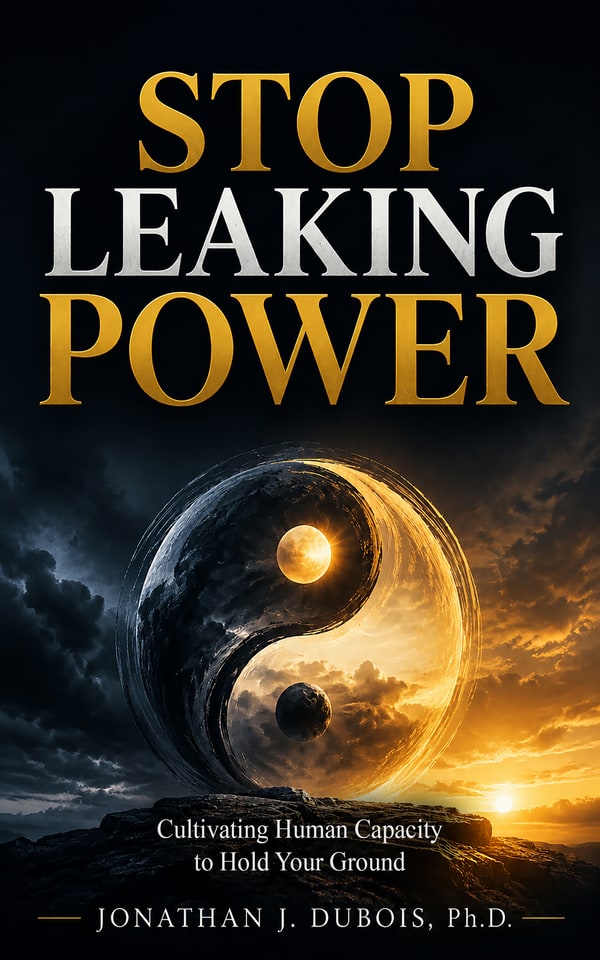
Stop Leaking Power
A personal account of anger, avoidance, responsibility, and learning to act differently.
Explore the bookAuthor of Stop Leaking Power and co-founder of Heart Center LA with Winnie.
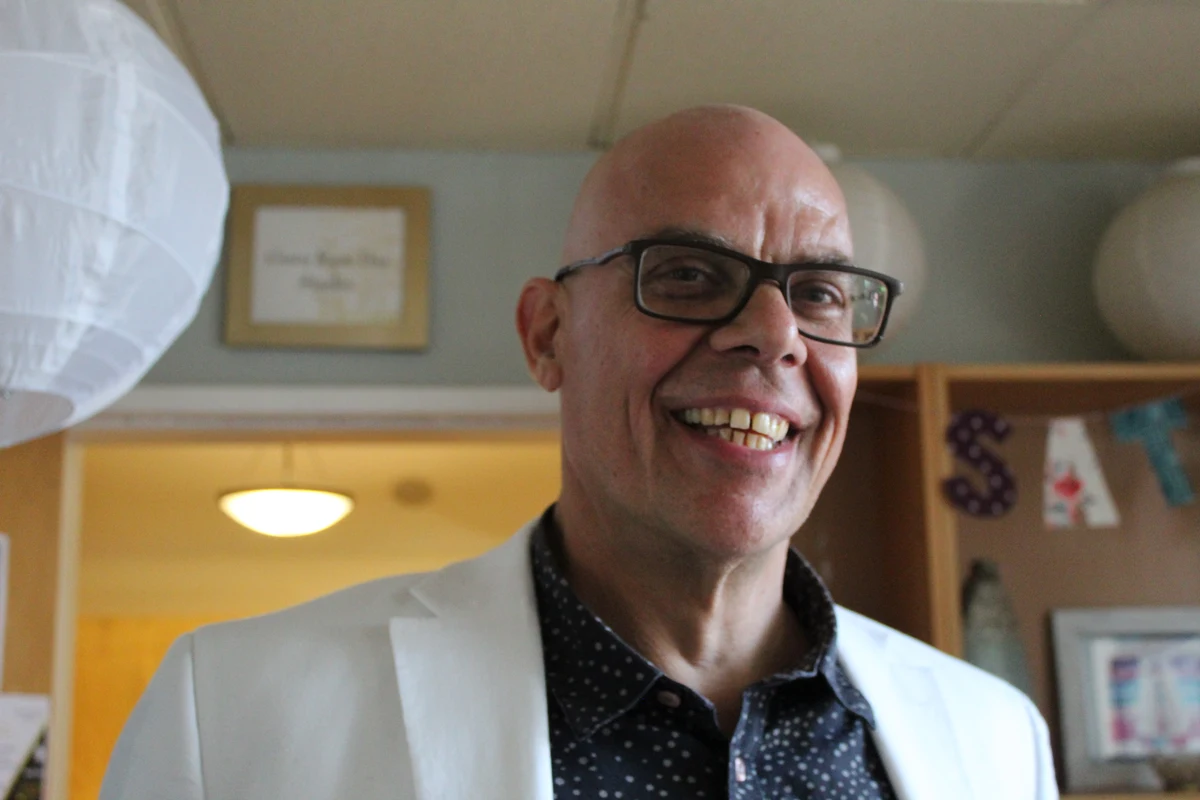

My wife at the time filmed me during an argument. I thought I was making my point. On screen, I saw myself using anger to control her. My first instinct was to delete the video.
Recognition was the beginning. It was not the change.
I could recognize a pattern and still repeat it. I knew how to pause, but resentment and withdrawal could still take over. I could understand what someone was saying and still resist receiving it.
Changing meant practicing a different response when the pressure returned. It meant listening without surrendering my own position, making a choice, and following through after the conversation ended.
Anthropology. Teaching. Practice.
Before ARC became a shared practice, Jay had spent decades asking how people make meaning, adapt to change, and carry knowledge forward. Anthropology gave him one way to study those questions. Teaching, community work, and his own relationships made them personal.
Late 1990s
Jay began exploring shamanic traditions and healing practices, an inquiry that continued alongside his academic work.
Early 2000s
His work took him through Peru’s Central Coast, Central Andes, and northwestern Amazon, and to the Río Frio region of Belize. In Huánuco, he documented rock art at more than 20 sites.
2010s
At CSU San Bernardino and CSU Northridge, he has taught Cultural Anthropology, Gender and Culture, Human Variation and Race, and The Evolution of the Social Brain.
2017
Jay completed his doctorate at UC Riverside. His dissertation examined social messages in the rock art of Huánuco, Peru.
2021
Cambridge Archaeological Journal published his peer-reviewed study of rock-art saywas, identity, and landscape in Huánuco.
Read the journal record2023
Jay helped establish Compassionate Transformation Community and co-founded Heart Center LA with Winnie, bringing teaching, reflection, and relational practice into shared community settings.
Today
He is the author of Stop Leaking Power. Through private sessions and The Human Capacity Project, he continues the same inquiry: how people protect capacity, develop it, and act from what matters.
The scale has changed, but the habit of attention has not: notice the pattern, understand its context, then choose what to carry forward.
ARC means Aware, Release, Choose & Commit. It grew through my relationship with Winnie and the work she was already doing.
Notice the anger, defense, interruption, or urge to disappear before it decides what happens next.
Pause long enough to loosen the reaction. Make room to hear what is actually being said.
Choose what you will stand for, say what is needed, and keep the commitment you make.
ARC is our shared practice. It is not a claim that pressure disappears. It is a way to decide how you will meet it.

Before Winnie and I lived together, her garage door broke. I caught myself thinking it was not my job. Then I found someone to repair it, negotiated the price, and saw the job through.
The moment was not dramatic. That was the point. A commitment becomes real in what you do after the insight, after the argument, and after the decision feels less urgent.
A personal account of anger, avoidance, responsibility, and learning to act differently.
Explore the bookFour weekly sessions built around a real situation in your marriage or co-parenting relationship.
Explore the sessionsConversations with people across fields about the capacities that support flourishing and how those capacities develop.
Visit the projectJay and Winnie bring breathing, qigong movement, and reflection into a shared community practice.
Ask about Heart Center LA